Hospitality and the Reception of Guests
The reception of guests is among the oldest disciplines of the thoughtful house. We examine the quiet preparation by which a serious household receives its visitors as if they were the only matter of the day.
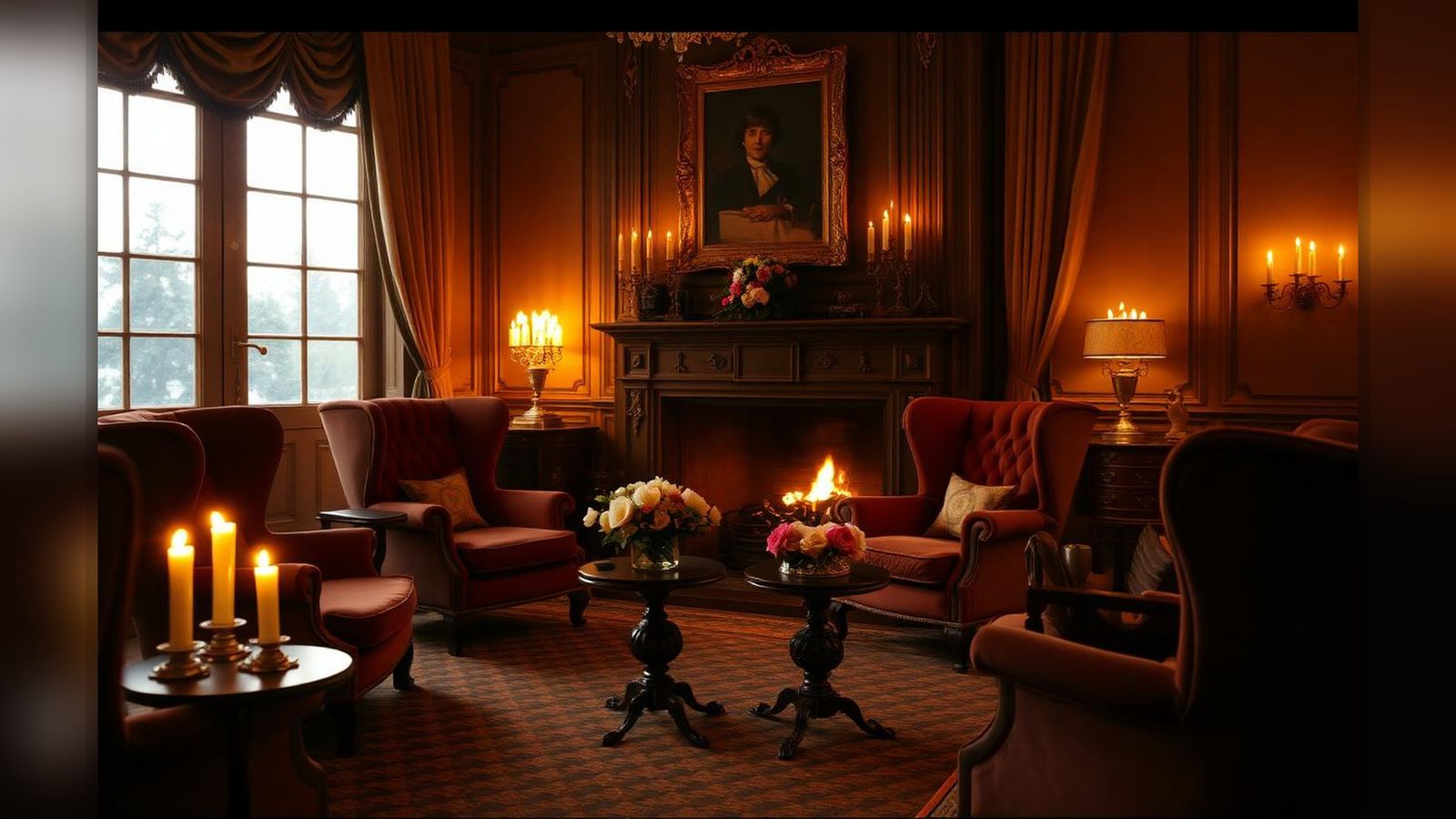
There is a particular pleasure in being received by a household which has prepared, with thoroughness, for one's arrival. The room is laid as one prefers, without any preference having been mentioned. Small items the visitor may need are placed within reach before they are requested. The staff move through the day in a manner that acknowledges the visitor's presence without ever intruding upon it. The visitor leaves, three days later, with the sense of having been the only matter of the household's attention; and the household, on the same evening, has already turned its preparation to the visitor expected next week.
The reception of guests is among the oldest disciplines of the thoughtful house. It is also among the most reliable indicators of the standards at which the residence as a whole is run. A household that receives its guests well does so by the steady operation of long-refined practices. These are conducted with so little visible effort that the guest has no occasion to suspect any preparation was undertaken at all.
The reception of a serious guest begins several days before arrival. The room is opened, aired, and dressed. Where a guest's preferences are known, they are discreetly attended to. The diary for the visit is settled in consultation with the principal, after which the chief of staff or the butler thoughtfully briefs the staff. The kitchen is informed of any dietary considerations; the head gardener is consulted on the cut flowers for the room; the housekeeper attends to the linen and to the small items on the dressing table. This is not exceptional. It is the standing practice of a residence whose hospitality is taken seriously.
A guest received well is a guest who never suspects that anyone prepared for them.
Once the guest is in residence, the discipline of the house is to make their stay feel unhurried and unmanaged. Both qualities are the product of considerable management behind the scenes. The principal's time with the guest is the central point of the visit, protected from the household's small administrative interruptions. The staff move at a thoughtful tempo, so their work is rarely noticed. Meals are taken at hours which suit the guest and the family. Any small adjustments the visit requires are made unobtrusively, without announcement of the trouble taken.
We close with a reflection on departure. The guest who leaves a well run house is given the time to do so without hurry. The car is at the door at the agreed hour. The staff who served them are present to be thanked. A small note from the principal is placed on the desk before the guest goes down to breakfast. A household that attends as carefully to departure as to arrival sends its guest on their journey with a particular regard for the residence. In time, this becomes part of the household's quiet reputation.


WRITTEN AND COMPILED BY OUR FOUNDER AND CEO, ROBERT WENNEKES
- EtiquetteThe Quiet Art of Handwritten Correspondence
- ServicePrivate Staff and the Possibility of a Normal Life
- ServiceThe Invisible Work of Excellence
GovernanceThe Thoughtful Family Constitution
A family constitution is not a legal document but a quiet accord. We consider the patient work by which a family commits to writing the principles by which it intends to be known.
Read essay