The Family Art Collection as a Living Institution
A serious collection is not a portfolio of objects but a living institution, requiring care, scholarship, and a clear philosophy of purpose.
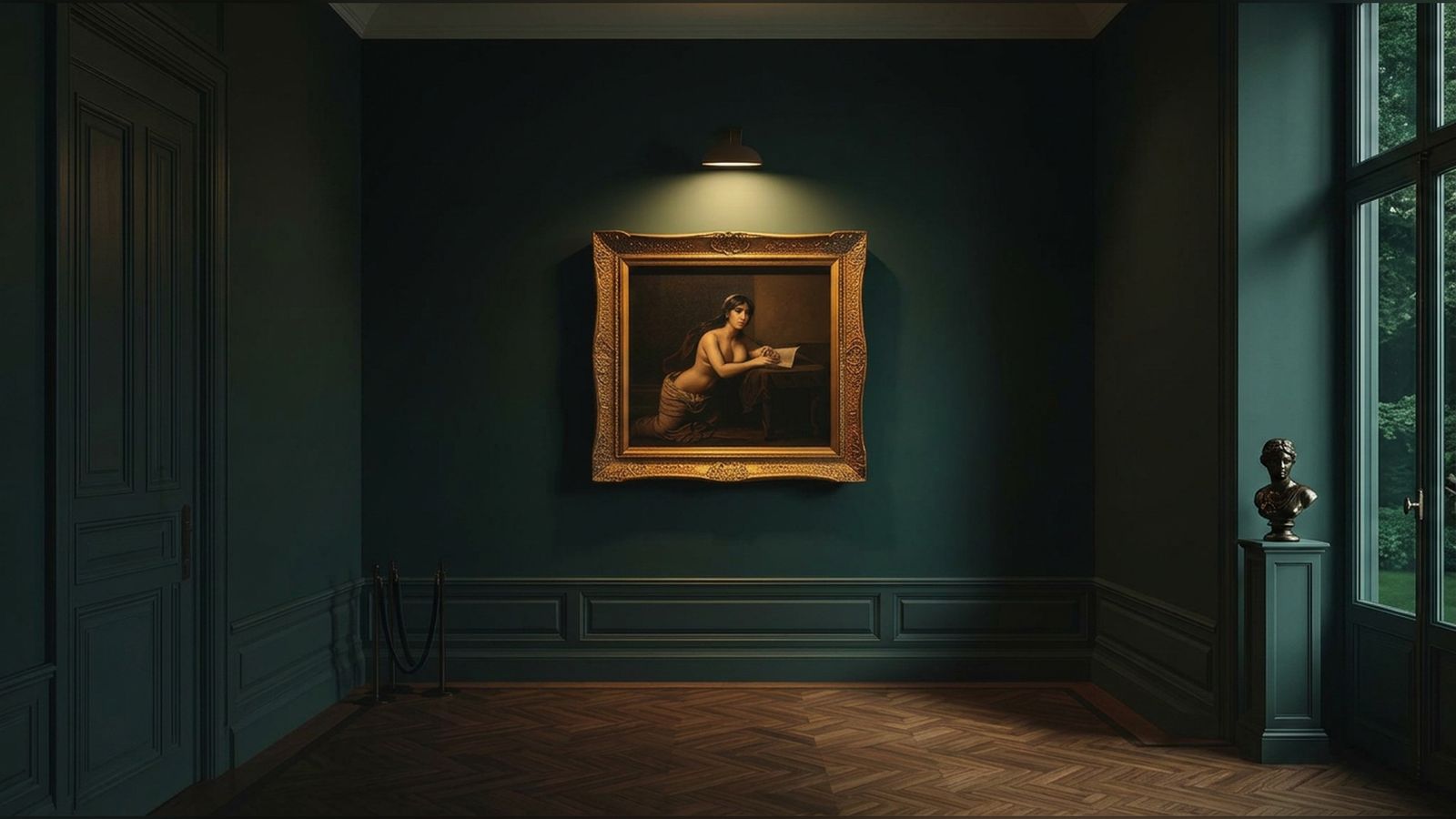
A private collection of any seriousness occupies a particular place in the life of the family that owns it. It is, on the one hand, an aesthetic pursuit; on the other, a substantial responsibility. The works require conservation, insurance, scholarly attention, and, in time, a thoughtful answer to the question of where they will live when the present owner is no longer their custodian. Treating a collection merely as an asset class, as the financial press is sometimes inclined to do, misses what it actually is: a living institution.
The most thoughtful collectors we have known describe themselves not as owners but as custodians. The distinction is more than rhetorical. An owner is concerned chiefly with what an object is worth and what may be done with it. A custodian is concerned with the object's condition, its provenance, its place within the body of the artist's work, and its eventual passage into the next informed pair of hands. Collections held in this spirit tend to be better preserved, better catalogued and more coherently assembled than those held purely for accumulation.
This disposition shapes practical decisions. The custodian collector is unhurried in acquiring. They commission proper conservation surveys before, not after, taking possession of significant works. They keep a catalogue, often with the help of a private curator, which records not only what is held but what is known about each piece, its provenance, its exhibition history, the conservator's notes, the scholar's correspondence. Such a record is the work of years, and it is what distinguishes a collection from an inventory.
Where and how works are displayed matters more than is generally appreciated, and is too often left to architects and interior designers whose interest in the collection is mostly compositional. We would suggest that the conservator's view should come before the decorator's. Light, humidity, temperature and proximity to fireplaces or heating vents have ruined more important works than fashion ever will, and remedying environmental damage is, in many cases, no longer fully possible.
A collection is not decorated with; it is lived with. The distinction matters more than is generally appreciated.
Most serious private collections will, at some point, be approached by a museum or scholar with a request to lend or to study. These requests deserve careful thought. A loan to a respected institution can substantially strengthen a work's scholarly standing and, in time, its place in the canon. It can also expose the work to risks that the principal may, on reflection, prefer not to accept. There is no general answer; each request is its own decision, made in consultation with the collection's curator, conservator and, where appropriate, its insurers.
Families who handle these requests most gracefully are those who have, in advance, articulated a quiet philosophy of engagement. Some collections are essentially private and lend rarely; others see scholarly engagement as central to the collection's purpose. Either position is defensible. What is not defensible is responding to each request without reference to a coherent underlying view.
The hardest question a collector faces is what becomes of the collection when they no longer hold it. The options, broadly, are dispersal among heirs, transfer to a charitable foundation, donation or partial donation to a public institution, or sale. Each carries consequences, fiscal, emotional and reputational, that merit consideration well in advance. A collection assembled over forty years and dispersed in a single afternoon at auction may realise a satisfactory sum, but something of consequence is lost in the transaction, and the loss is rarely recovered. We encourage principals to think about this question, gently and over time, while they still have the energy and clarity to give it the attention it deserves.


WRITTEN AND COMPILED BY OUR FOUNDER AND CEO, ROBERT WENNEKES
- StewardshipThe Cellar and the Passage of Time
- StewardshipThe Yacht as a Household at Sea
- StewardshipInsurance and the Long Horizon of the Estate
HouseholdThe Chief of Staff as Keeper of Rhythm
The most accomplished Chiefs of Staff are not, in our observation, the most visible. They are the keepers of a household's quiet rhythm.
Read essay