The Chapel and the Spiritual Life of the House
A private chapel is not a furnishing but a quiet declaration. We consider the role of the chapel in the thoughtful residence, regardless of the principal's particular tradition.
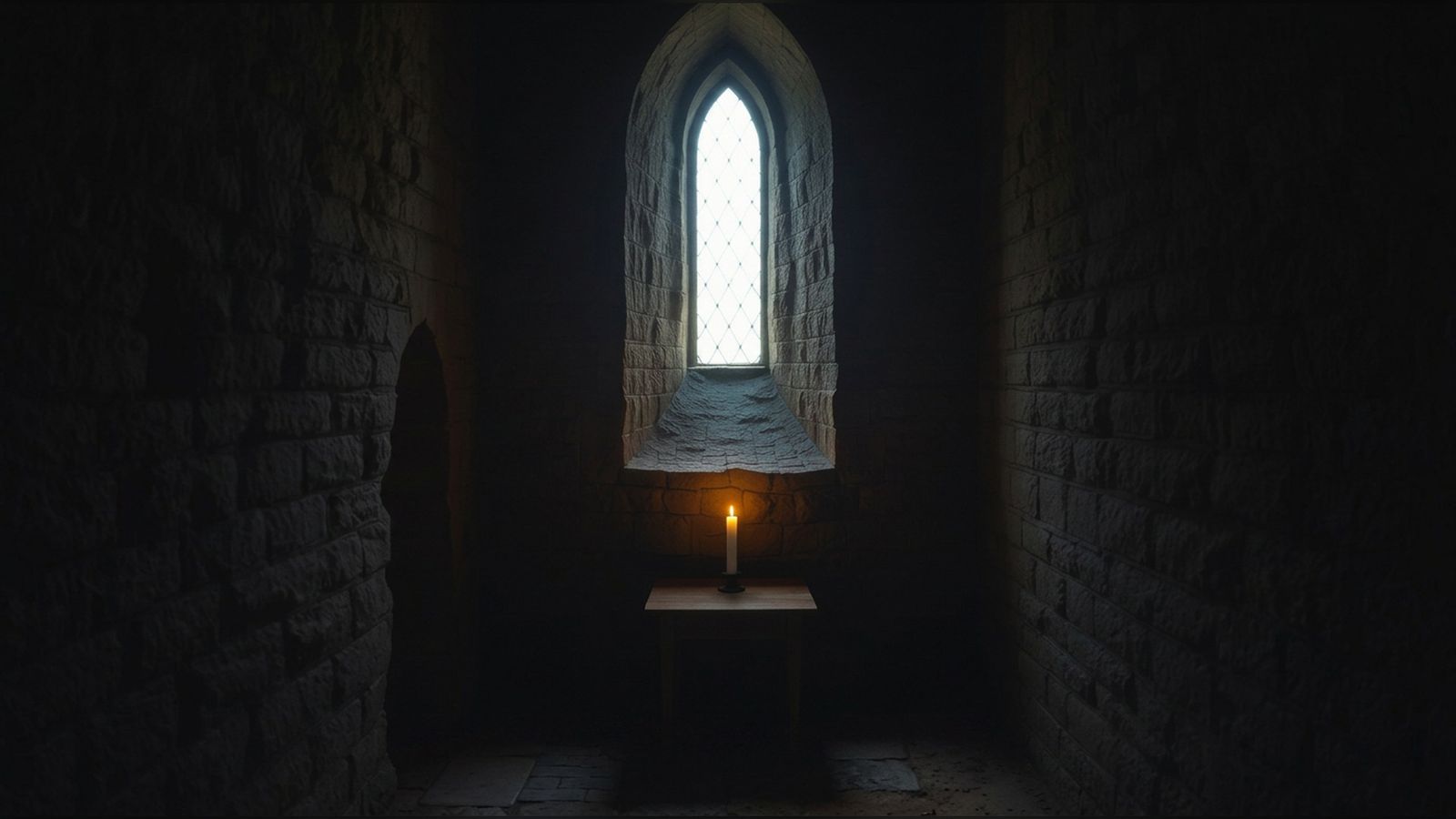
There survives, in a small number of the older European residences, a feature rarely commented upon in the modern literature on the great house, and which is, for that reason, worth a thoughtful essay of its own. The private chapel, where it has been preserved, is a room of a particular and unusual character; a room whose purpose has nothing to do with the entertainment of guests or the conduct of business, and whose value cannot be expressed in any of the ordinary terms by which a household reckons the worth of its rooms.
We are sometimes engaged by principals who have acquired a residence containing such a chapel, and who are unsure how the room should be approached. Our counsel, regardless of the principal's particular tradition or the absence of one, is that the room should be preserved in its character and maintained with the same careful attention any other significant room of the residence receives. A chapel converted to a study, a music room or a small library is, in our view, almost always a misjudgement; the room that results is rarely as agreeable in its new purpose as the room which has been displaced, and the residence loses a quality which cannot be reconstructed once it has been removed.
The use to which a private chapel is put, in the modern residence, is in most cases a quiet matter of the principal's own choice. The principal whose tradition is observed in a particular form may continue to observe it in the chapel as previous generations have done. The principal whose relationship with such matters is more uncertain may use the room as a place of unhurried personal reflection at intervals of their own choosing. The principal who declines the room's original purpose entirely may simply preserve it, with quiet maintenance, as an inherited feature of the residence whose continued presence does no harm and whose removal would. Each of these uses is defensible. What is not defensible is the demolition of the room.
A residence which has preserved a quiet room for reflection has preserved something which the next generation may yet need.
The maintenance of a private chapel, like the maintenance of any other significant room in the residence, is a matter of regular routine rather than occasional attention. The fabric of the room, the small fittings it contains, the relevant textiles where they survive, the candles or other lighting the room properly requires; each of these benefits from inclusion in the regular maintenance schedule of the residence, attended to as a matter of course rather than as a special undertaking. The chapels which decline most rapidly are those quietly excluded from the routine attention the rest of the residence receives, on the unspoken assumption that the room is no longer in active use.
We close with a reflection offered without any particular religious intention. A residence in which there exists a small room set apart for matters which are not commercial, not social, and not domestic, is a residence which has preserved, by the simple fact of that room's continued presence, a quiet acknowledgement that the life of the household consists of more than the affairs which fill its other rooms. Whether or not the principal of any particular generation chooses to use the room in its original sense, its continued presence in the architecture of the house is a small and quiet inheritance worth preserving.


WRITTEN AND COMPILED BY OUR FOUNDER AND CEO, ROBERT WENNEKES
- HeritageChristmas and the Rituals of the Family Year
- ServicePrivate Staff and the Possibility of a Normal Life
- ServiceThe Invisible Work of Excellence
OfficeThe Quiet Virtues of the Family Secretary
The family secretary is, in many distinguished households, the unseen figure on whom the smooth functioning of family life most depends.
Read essay