The Private Chef and the Domestic Kitchen
A private kitchen is not a restaurant. We consider why the thoughtful household engages a chef whose discipline is the long rhythm of family life rather than the brief drama of service.
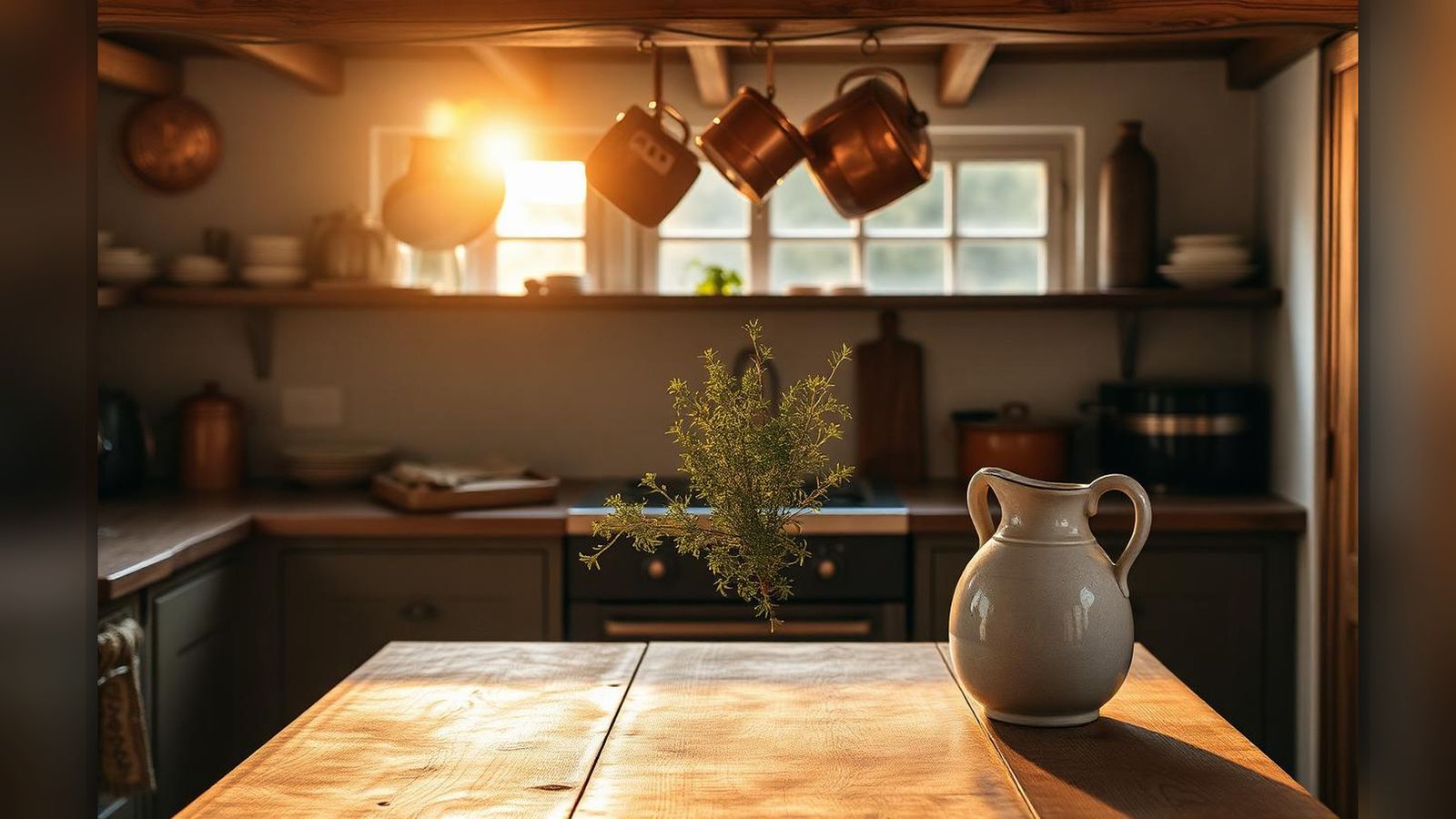
There is a particular character to a private kitchen which the visitor accustomed to the restaurant kitchen does not, on first acquaintance, easily recognise. The pace is steadier. The menu is shaped by the family's preferences, not by a published card. Service is unobtrusive and largely unobserved. The day's work is judged not by the brief test of a single sitting, but by the long, accumulating measure of how the family has been fed across weeks, seasons, and years. The chef who flourishes in such a kitchen is, in nearly every case, a different professional from the chef who flourishes in the restaurant.
We are sometimes consulted by principals who are establishing a private kitchen for the first time, and our counsel begins with this point. The most decorated restaurant career is not, by itself, a qualification for the private house. The right candidate has, by temperament and experience, learned to cook for a small number of people whose preferences are known in detail. They know how to vary the menu without forcing it, and how to hold the kitchen at the unhurried tempo the family rhythm requires.
The private chef has a privilege which the restaurant chef does not. The chef knows, in considerable detail, who will be eating and what they care for. The principal's preferences in seasoning, the dish an elder daughter may leave on her plate, the wine a close friend has favoured for thirty years: these are known. The small dietary considerations the family physician has lately suggested are also part of the brief. All of this informs the menu before any ingredient is bought. The kitchen that uses this knowledge with care produces, over time, a body of work the family experiences as theirs.
A private kitchen is judged not by any single dinner, but by the year the family remembers eating well.
The chef of a serious establishment maintains, in nearly every case, a small set of standing relationships with suppliers. Their reliability is the foundation on which the kitchen rests. There is the fishmonger who knows what the principal will accept, the game dealer whose work in the autumn is good, and the small farm whose vegetables are taken in season. These are not bargaining relationships. They are professional alliances, sustained over years, by which the kitchen secures access to materials of a standard the casual purchaser cannot reliably command.
We close with a reflection on the chef's place in the wider household. In any serious house, the kitchen is in constant, measured conversation with the butler, the housekeeper and the secretariat. The diary tells the kitchen who is expected. The housekeeper advises which dining room will be used. The butler communicates the hour at which a principal would like to be served. The chef who participates fully in this conversation, treating colleagues as collaborators, is the chef who lasts. The chef who lasts is the one whose work the family eventually regards as part of the house itself.


WRITTEN AND COMPILED BY OUR FOUNDER AND CEO, ROBERT WENNEKES
- HouseholdPrivate Staff Duties and Compensation
- HouseholdService Across Borders and Cultures
- HouseholdThe Mutual Care of House and Family
HouseholdThe Butler and the Front of House
The butler is the household's first impression and its last. We examine the quiet authority that distinguishes a serious front of house from a merely competent one.
Read essay