The Summer Residence and the Mediterranean Establishment
The summer residence, like the winter residence, is a parallel household. We examine the relaxed standards and thoughtful staff that allow the principal to set down the cares of the year.
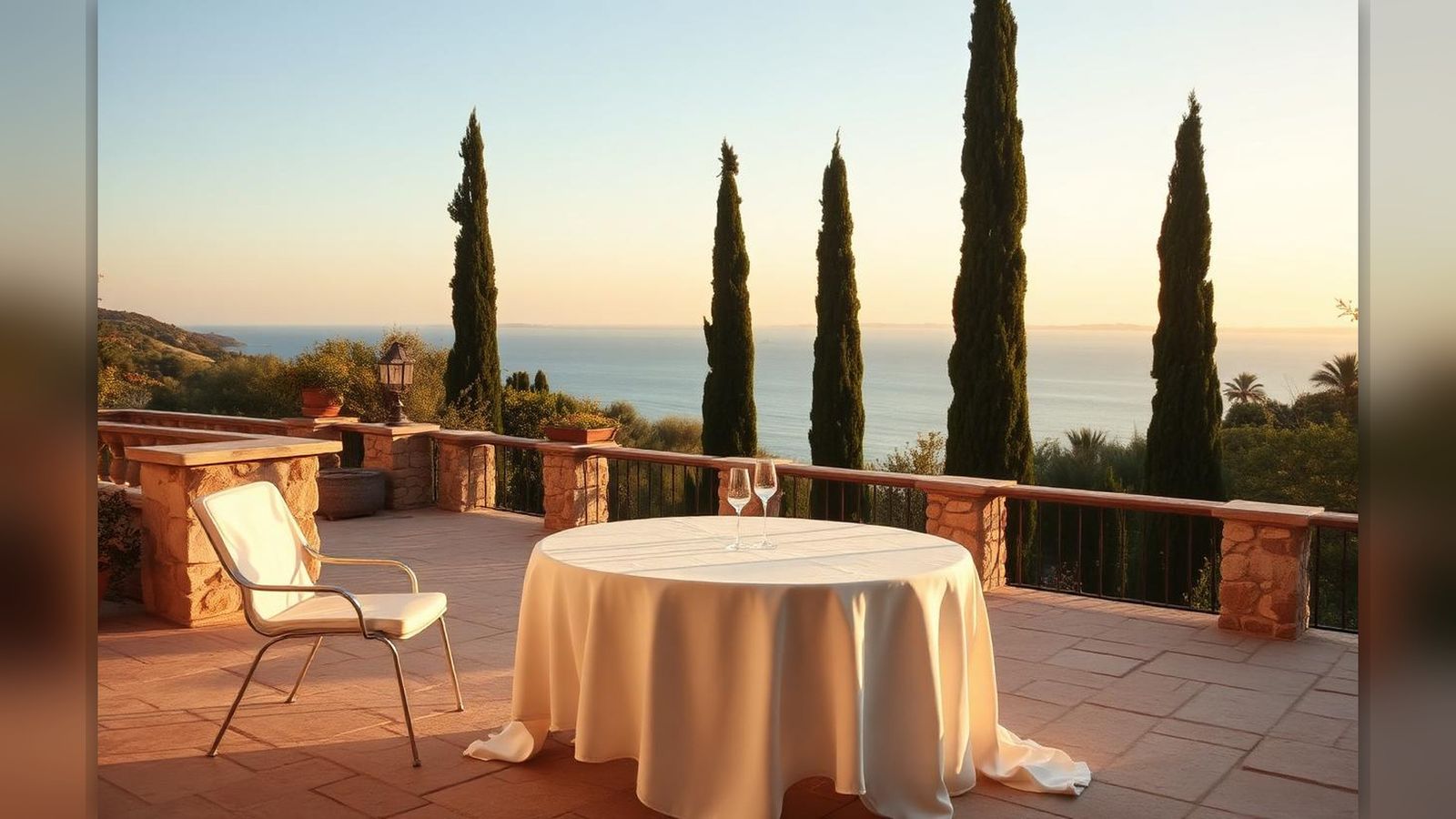
The summer residence, in the houses where the practice is properly maintained, occupies a particular place in the principal's year. It is the establishment in which the rhythm of life slows perceptibly. The formal disciplines of the primary residence are gently relaxed without ever being abandoned. For a small number of weeks, the principal and the family are permitted to set down the cares of the working year and to be at home in a quieter sense than the rest of the calendar allows.
We are sometimes asked whether the summer residence requires the same thoughtful staffing as the principal's primary establishment. Our answer is that the staffing is differently composed, but no less thoughtful. The household is smaller; the dress is lighter; the meals are taken at unhurried hours and on the terrace as often as in the dining room; but the standards by which the residence is run, taken in their proper sense, are not in any meaningful way reduced. A summer residence which is staffed casually is a residence which produces, over a season, the small daily failures the principal has come to the place precisely to avoid.
As with the winter residence, the foundation of a serious summer establishment is the resident caretaking family, in residence year round, who hold the house in the principal's absence and who are the responsible authority for its condition. The local arrangements with the gardener, the boatman, the local kitchen suppliers, the small staff who augment the household for the weeks of the principal's residence; all of these are the work of the caretaker, conducted patiently throughout the year, so that the principal arrives to a house which has been quietly waiting for them.
The summer residence is the place in which the well run household allows itself, for a small number of weeks, to appear effortless.
The principal who attempts to maintain, in the summer residence, the full ceremonial of the primary establishment has, in our view, misunderstood what the residence is for. The dining room is opened less often; the table is set with the lighter glass and the simpler linen of the season; the staff are dressed in a manner which the climate quietly demands. None of this is a falling off; it is the thoughtful relaxation of form which the principal has come to the residence to enjoy. What does not relax is the underlying discipline; the rooms are still kept, the meals are still cooked at the proper standard, the guests are still received with the thoughtful hospitality the principal would expect anywhere.
We close with a small reflection on the social character of the summer residence. The summer establishments we admire most are those in which the principal has, over many years, established a small set of standing local relationships. These include the church or the civic occasion which the family attends, the long acquaintance with a neighbour or two whose company is enjoyed without the freight of business, and the quiet patronage of a particular harbour or village which has, in time, come to know the family well. A residence which is embedded in its place in this manner gives the principal a quality of summer life no purely private establishment can produce.


WRITTEN AND COMPILED BY OUR FOUNDER AND CEO, ROBERT WENNEKES
- HouseholdPrivate Staff Duties and Compensation
- HouseholdService Across Borders and Cultures
- HouseholdThe Mutual Care of House and Family
EstateThe Quiet Discipline of the Game Book
On a serious sporting estate, the game book is the institution's conscience. We consider the patient record by which the thoughtful estate honours the land, the staff and the seasons.
Read essay