Aviation as a Household Discipline
An aircraft is not transport but an extension of the residence. We examine why the thoughtful household treats its flight department with the same seriousness as any other staff group.
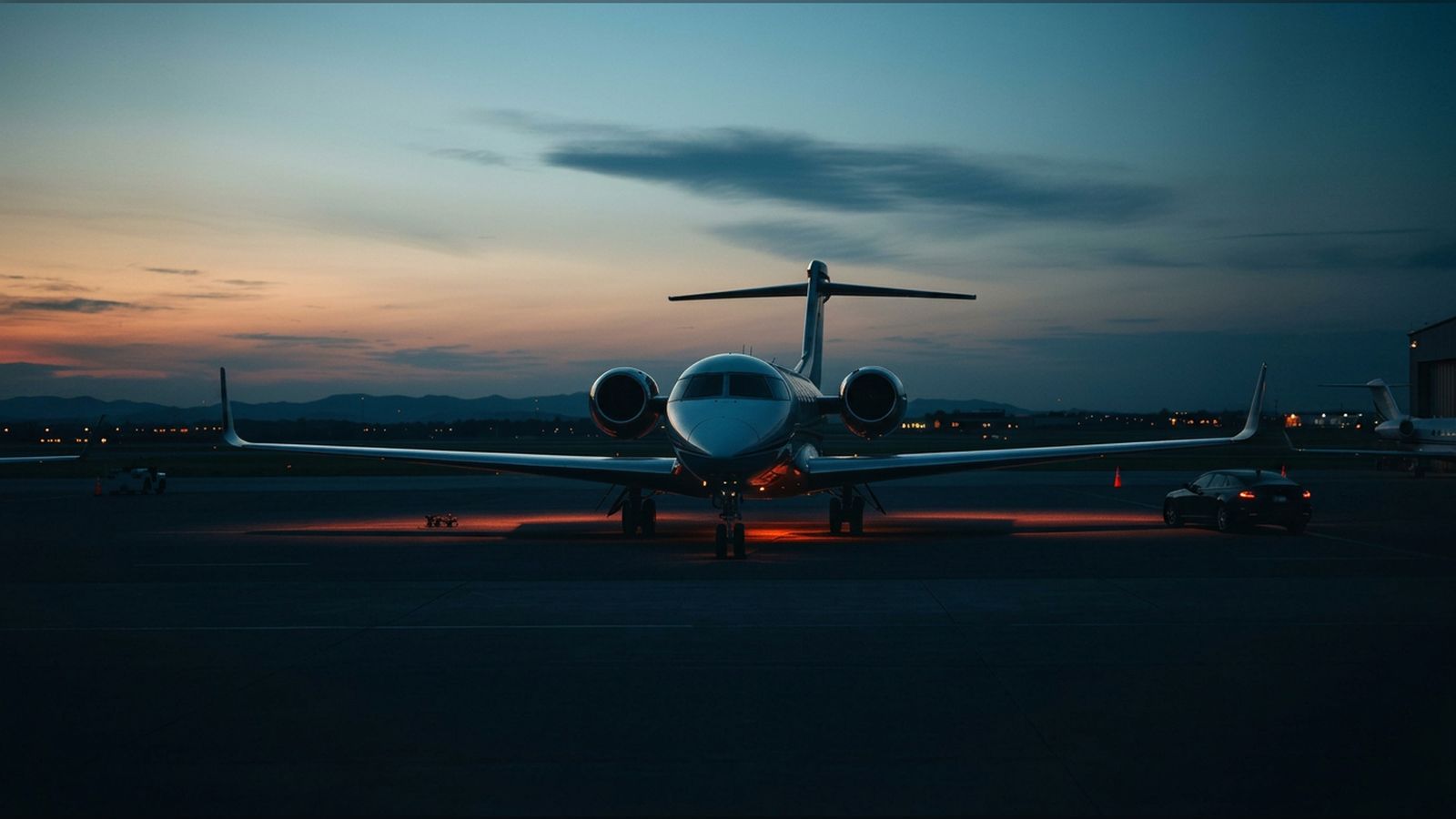
It is a private truth, in houses which hold an aircraft of their own, that the flight department is in practice another wing of the residence. The flight crew are members of staff in the fullest sense. The aircraft itself, properly understood, is not a piece of transport equipment; it is an extension of the principal's domestic environment, in which the standards of service, hospitality and discretion that govern the household must be reproduced exactly, at thirty thousand feet.
We are occasionally consulted by principals establishing a flight department for the first time. Our counsel begins with a point which is sometimes resisted. The flight department, on the day it is established, becomes the most regulated, operationally complex, and in many respects the most professionally exacting part of the household. The senior captain is not a driver in a peaked cap. They are a long-career professional whose authority on the aircraft is, by international convention, absolute. Their relationship with the principal must rest on mutual respect for the seriousness of that authority.
We give considerable attention to the appointment of the senior captain in any flight department we are asked to establish. The right candidate has, in nearly every case, accumulated several thousand hours on the relevant type. They will have held a senior position in a major operator. By this stage in their career, they have acquired the discretion, diplomacy and unhurried temperament the role of personal aviation demands. We counsel principals to be patient in this appointment; the wrong senior captain is a problem which becomes visible slowly, but which will, in time, be difficult to remedy without disruption to the wider household.
An aircraft is the only room in the household whose competent operation is the responsibility of a single member of staff.
The service standards aboard a private aircraft should be indistinguishable from those of the principal's primary residence. The same china, where it can be safely accommodated; the same standards of linen; the same attention to the principal's preferences in food, drink and reading material. The cabin attendant, where one is engaged, is in effect a member of the household staff who happens to perform their duties in flight; the recruitment, training and management of such a person should be approached with the same seriousness as the recruitment of a senior butler.
We close with a reflection on the delicate question of when the principal should fly themselves, and when they should not. The principal who holds a current rating on the aircraft is, to our minds, in a stronger position to understand the work of the flight crew and to make thoughtful decisions about the operation as a whole. We counsel, however, that the decision to fly the aircraft on any particular sector should remain a matter for the senior captain. The captain has the operational picture in full. A principal who insists otherwise has misunderstood the nature of the relationship that makes a serious flight department possible.


WRITTEN AND COMPILED BY OUR FOUNDER AND CEO, ROBERT WENNEKES
- ServicePrivate Staff and the Possibility of a Normal Life
- ServiceThe Invisible Work of Excellence
- HouseholdPrivate Staff Duties and Compensation
EstateThe Quiet Authority of the Estate Gardens
A great private garden is not a possession but an inheritance. We consider the role of the head gardener and the long horizons which distinguish thoughtful grounds from merely tidy ones.
Read essay