The Stewardship of the Country Estate
A country estate is held, not owned. We consider the long horizon obligations of the principal to the land, the tenants and the heritage in their care.
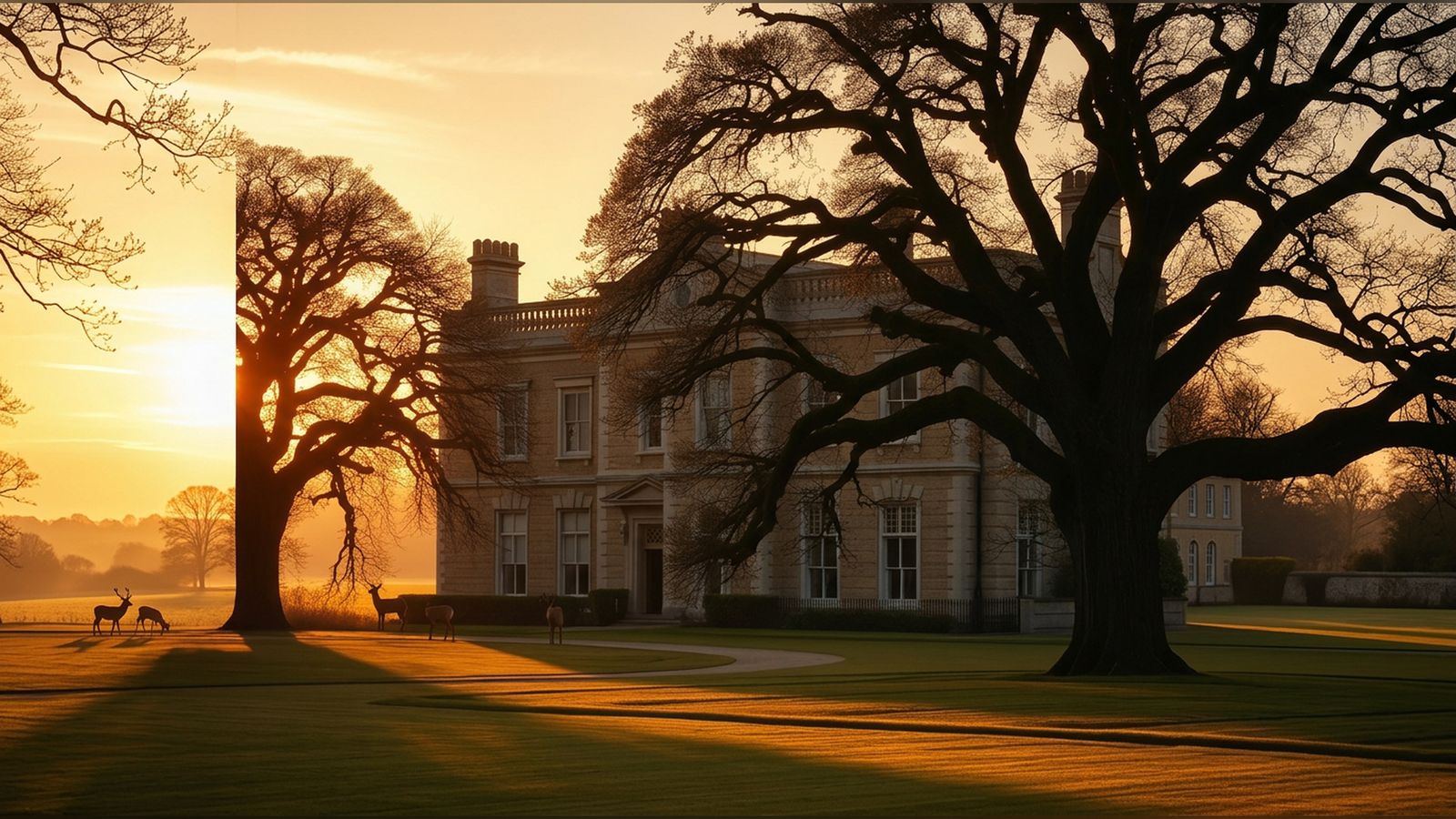
It is a point of considerable seriousness, in the older landed traditions, that an estate is not owned in the ordinary sense. The estate is held by the principal in trust, formally or informally, for those who came before and for those who will come after. The decisions the principal makes during their tenure will shape the place for generations whose preferences and circumstances cannot be foreseen. This understanding, more than any document of legal title, is the foundation of competent stewardship.
Over many years of advising on estates, we have observed a particular pattern. The principals who steward their estates with greatest distinction are, almost without exception, those who have approached the responsibility with humility about what they do not yet understand. They proceed with patience about the time which will be required before they understand it properly. The principal who arrives with confident plans for immediate change is, in our experience, the one whose tenure leaves the estate in measurably worse condition.
The land agent of a serious estate is the principal's most important professional relationship in the country. The agent holds, in their own person, the institutional memory of the estate. They know the tenants and the boundaries. They know which fields drain well and which need attention in a wet season. They know the histories of disputes which have, by thoughtful handling, never become disputes at all. A new principal who replaces the existing agent within the first year has, in our observation, deprived themselves of the most valuable counsel available. The consequences become apparent only over the following decade.
An estate is held in trust for a generation which has not yet been born.
The relationships between the principal and the estate tenants are the truest test of stewardship. These are not commercial relationships in the ordinary sense. They are the modern continuation of arrangements which, on the older estates, have endured for many generations. These arrangements carry obligations no commercial lease fully captures. The tenant whose family has farmed a particular holding for a century has a relationship with the principal which must be approached with the seriousness that history deserves. A principal who treats such a relationship as a matter of pure commercial calculation has misunderstood the nature of what they hold.
We close with a reflection on the financial discipline which serious stewardship requires. A country estate, properly maintained, is rarely a source of net income to the principal in the short term. The costs of the buildings, the grounds, the staff, and long horizon investments routinely exceed income from the holdings. The principal who treats the estate as an investment vehicle, expected to return a yield in any given year, will be disappointed. In time, they will make decisions which compromise the estate's long-term character. The principal who treats the estate as an inheritance to be honoured, funding its maintenance from other sources, has understood the proper financial architecture of stewardship.


WRITTEN AND COMPILED BY OUR FOUNDER AND CEO, ROBERT WENNEKES
- EstateThe Equestrian Establishment as a Household
- EstateThe Quiet Authority of the Estate Gardens
- EstateThe Quiet Discipline of the Game Book
OperationsAviation as a Household Discipline
An aircraft is not transport but an extension of the residence. We examine why the thoughtful household treats its flight department with the same seriousness as any other staff group.
Read essay